
Choosing the right dozer blade is crucial for maximizing efficiency and productivity on any construction site. A well-matched blade can significantly enhance your bulldozer’s performance, while a poorly chosen one can lead to costly delays, inefficient operations, and even damage to your equipment. Whether you’re working with an HBXG bulldozer or another heavy machine, understanding the nuances of dozer blades is key. In this article, we’ll explore five common mistakes people make when selecting dozer blades and provide practical advice on how to avoid them, ensuring you make the best choice for your projects.

A happy construction team collaborating on site, making informed decisions about dozer blade selection.
1. Ignoring the Job Site and Material Type
One of the most frequent errors in dozer blade selection is failing to consider the specific conditions of the job site and the type of material being moved. Different materials, from loose sand to compacted soil or heavy rock, require distinct blade characteristics for optimal performance. Using a high-capacity U-blade for fine grading, for example, can lead to poor control and uneven surfaces.
Matching Blade Type to Application
There are several primary types of dozer blades, each designed for specific tasks. Straight blades (S-blades) are excellent for fine grading and ditching, offering precise control. Universal blades (U-blades), with their large capacity and wings, are ideal for pushing large volumes of material over long distances, such as in land reclamation. Semi-U blades (S-U blades) combine the penetration of an S-blade with the capacity of a U-blade, making them versatile for various tasks including pioneering and production dozing. Angle blades can be set at an angle to push material to the side, perfect for backfilling or creating drainage ditches. Understanding these distinctions is the first step to avoiding costly mismatches.
2. Overlooking Bulldozer Compatibility and Size
Another critical mistake is selecting a dozer blade that isn’t compatible with your bulldozer’s size and power. A blade that’s too large or too heavy for your machine can strain the hydraulics, reduce maneuverability, and increase fuel consumption. Conversely, a blade that’s too small might not efficiently handle the volume of material required, leading to multiple passes and extended project timelines.
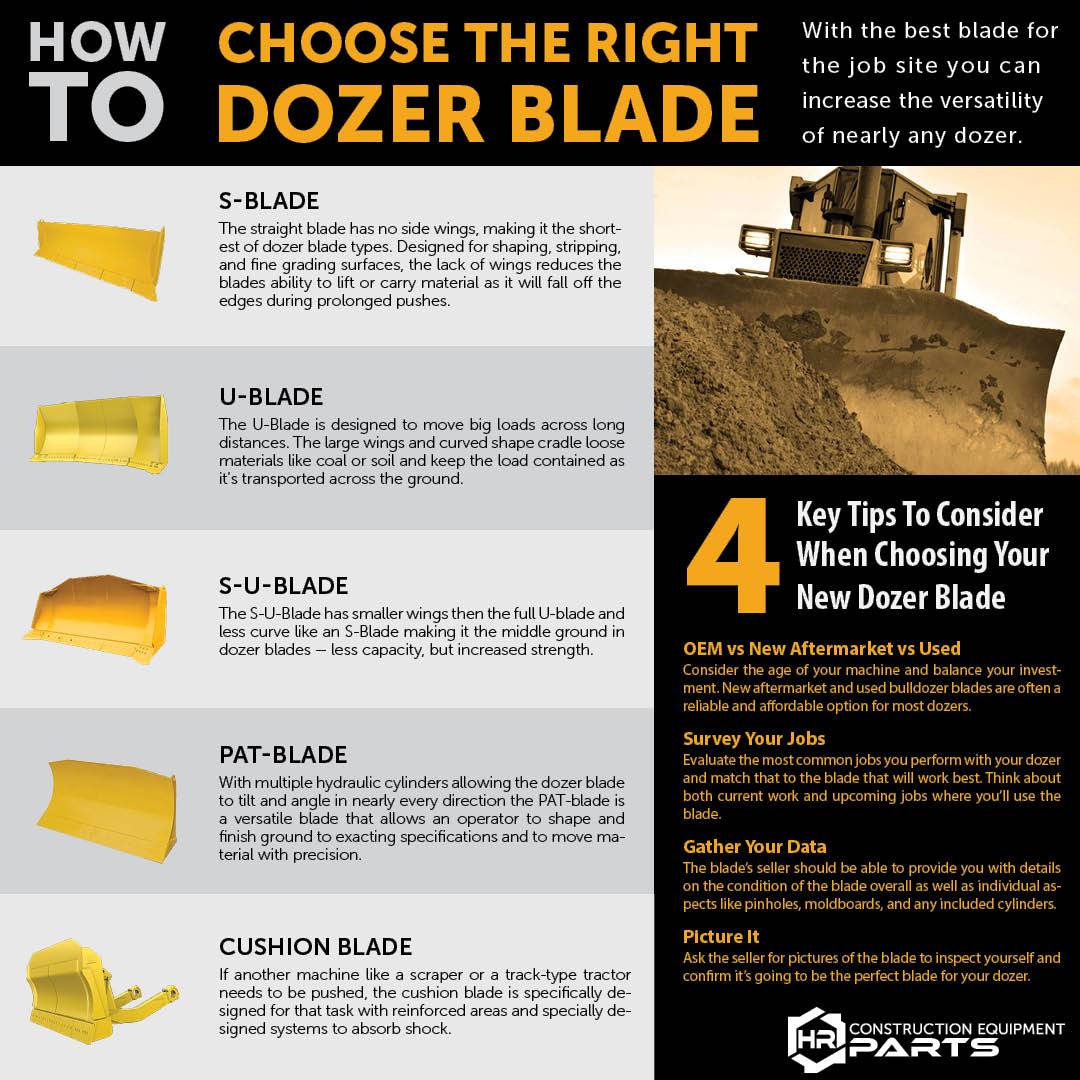
Understanding the versatility of dozer blades: S-blade, U-blade, S-U blade, and Angle blade.
The Importance of Proper Sizing
Bulldozer manufacturers, like HBXG, design their machines to work optimally with specific blade sizes and types. Always consult your bulldozer’s specifications or the manufacturer’s recommendations. For example, an HBXG SD7 bulldozer, known for its heavy-duty performance, will require a robust blade designed to match its power and weight. Using an undersized blade on such a powerful machine would be a significant oversight, hindering its true potential. Proper sizing ensures balanced operation, prevents premature wear, and maintains the machine’s stability.
3. Neglecting Blade Condition and Maintenance
Even the best-chosen dozer blade can underperform if its condition is neglected. Worn cutting edges, damaged end bits, or a bent moldboard can severely impact efficiency, increase fuel consumption, and potentially damage the terrain or the bulldozer itself. Regular inspection and timely maintenance are paramount, yet often overlooked.
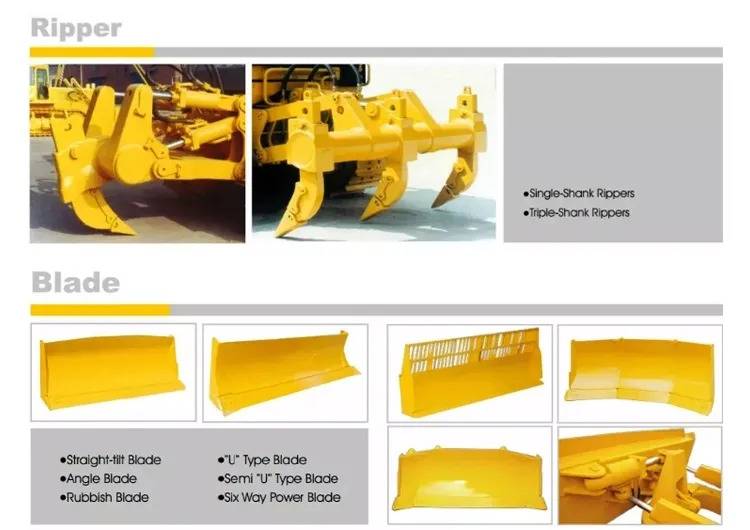
Rippers and accessories boost versatility beyond standard blades
Focus on Your Core Business, Not Equipment Upkeep
Let’s be honest, you’re in the business of construction, not equipment maintenance. Regular inspection of cutting edges, end bits, and moldboard alignment ensures consistent performance and prevents excessive wear on the bulldozer. This allows your team to focus on what they do best: managing projects, supervising sites, and getting the job done. No more unexpected repair bills or scrambling to find qualified technicians. It’s a streamlined approach that saves you time, money, and a lot of stress.
4. Underestimating the Impact of Attachments and Accessories
Many operators focus solely on the blade itself, forgetting that various attachments and accessories can significantly enhance a dozer blade’s functionality. Rippers, for instance, are invaluable for breaking up hard ground or rock before dozing, while specialized rakes can clear brush and debris more effectively than a standard blade. Failing to consider these additions can limit your bulldozer’s versatility and force you to use less efficient methods for certain tasks.
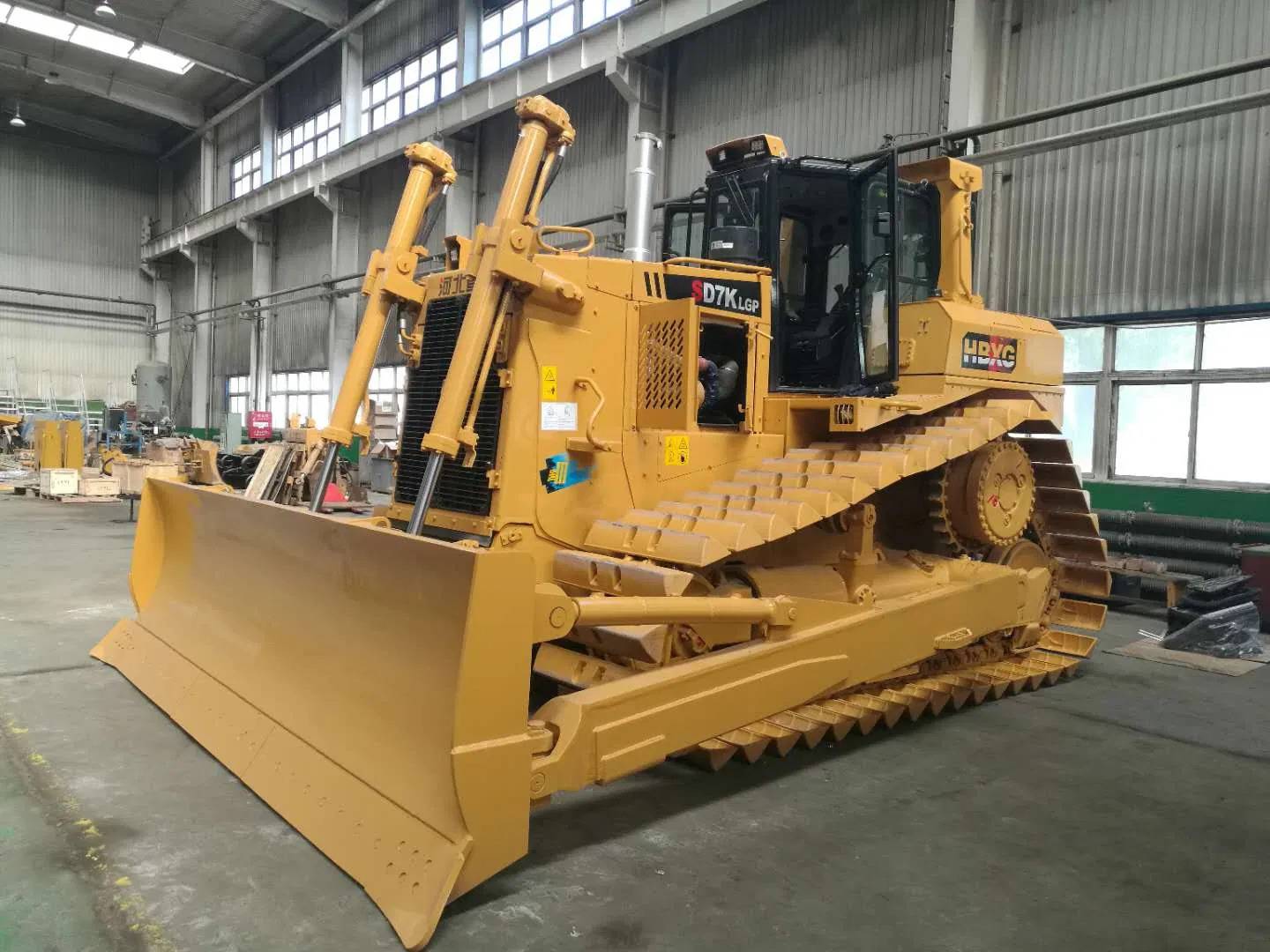
An HBXG bulldozer demonstrating its capability with a robust landfill blade, designed for challenging environments.
Enhancing Versatility with the Right Tools
Think beyond the basic blade. Does your project involve breaking up compacted soil? A rear-mounted ripper can transform your bulldozer into a more capable machine. Are you clearing land with a lot of vegetation? A brush rake attachment can make quick work of it. Companies like HBXG offer a range of compatible attachments designed to extend the capabilities of their bulldozers, allowing you to tackle a wider array of jobs with a single machine. Exploring these options can unlock new levels of efficiency and expand your service offerings.
Contact HBXG or your authorized local dealer today to discuss your dozer blade requirements and find the perfect match for your HBXG bulldozer!
WhatsApp Us for Free a Consultation
5. Ignoring Operator Skill and Training
Finally, even with the perfect dozer blade and a top-of-the-line bulldozer, the operator’s skill and training play a monumental role in performance. An inexperienced operator might struggle to utilize the blade effectively, leading to uneven grading, inefficient material movement, and increased wear on the equipment. Proper training ensures that the operator understands the nuances of different blade types, their optimal use, and safe operating procedures.
Investing in Human Capital
Just as you invest in quality machinery, investing in your operators is equally important. Training programs can cover everything from basic dozing techniques to advanced grading and material handling with specific blade types. A skilled operator can not only maximize the efficiency of the dozer blade but also extend the lifespan of the equipment by operating it correctly. For instance, understanding how to properly angle an S-U blade for different soil conditions can make a significant difference in productivity. Continuous learning and skill development are key to getting the most out of your dozer blade investment.
See how different bulldozer blade configurations perform in soft terrain conditions:
Frequently Asked Questions (FAQ )
What are the main types of dozer blades?
The main types include Straight (S-blade), Universal (U-blade), Semi-U (S-U blade), and Angle blades, each suited for different tasks and materials.
How do I choose the right dozer blade for my project?
Consider the material you’re moving, the terrain, the required capacity, and your bulldozer’s specifications. Consulting with an HBXG expert can also help you make an informed decision.
Can I use any blade on any bulldozer?
No, blade compatibility is crucial. Blades must match your bulldozer’s size, weight class, mounting frame configuration, and hydraulic capacity.
How often should dozer blades be inspected?
Dozer blades should be inspected before each use for wear and tear, especially the cutting edges and end bits. Timely replacement of worn parts is essential for efficiency and safety.
Conclusion: Master Your Dozer Blade Choices for Project Success
Choosing the right dozer blade is more than just picking a piece of metal; it’s a strategic decision that impacts your project’s efficiency, cost-effectiveness, and overall success. By avoiding these five common mistakes—ignoring job site conditions, overlooking compatibility, neglecting maintenance, underestimating attachments, and disregarding operator training—you can ensure your bulldozers, whether they are HBXG models or others, perform at their peak. Make informed choices, invest in proper maintenance, and empower your operators, and you’ll pave the way for smoother, more profitable projects.
Ready to Equip Your Bulldozer with the Perfect Blade?
At HBXG, we understand the importance of matching the right blade to the right job. Our range of durable and high-performance bulldozers are designed to work seamlessly with various blade types, ensuring optimal results for your construction, mining, or land-clearing projects. From versatile S-U blades to powerful U-blades, we have the solutions you need.
Need Help Selecting The Right Blade Configuration For Your Project?
Why choose HBXG:
✅ Quality-Certified Manufacturing: ISO Standards
✅ Custom Configuration: Customize for You
✅ Genuine Parts Guarantee: Quality and Longevity
✅ Full Documentation: Complete Compliance
✅ Ready Stock: Ready for Shipment