
When people buy a bulldozer, they usually focus on engine power. Fair enough. But here’s the truth—the blade does most of the real work. A strong engine with the wrong blade is like a sharp knife with the wrong handle. It works, but not well. Bulldozer blades control how material is pushed, carried, spread, and shaped. The right blade can:
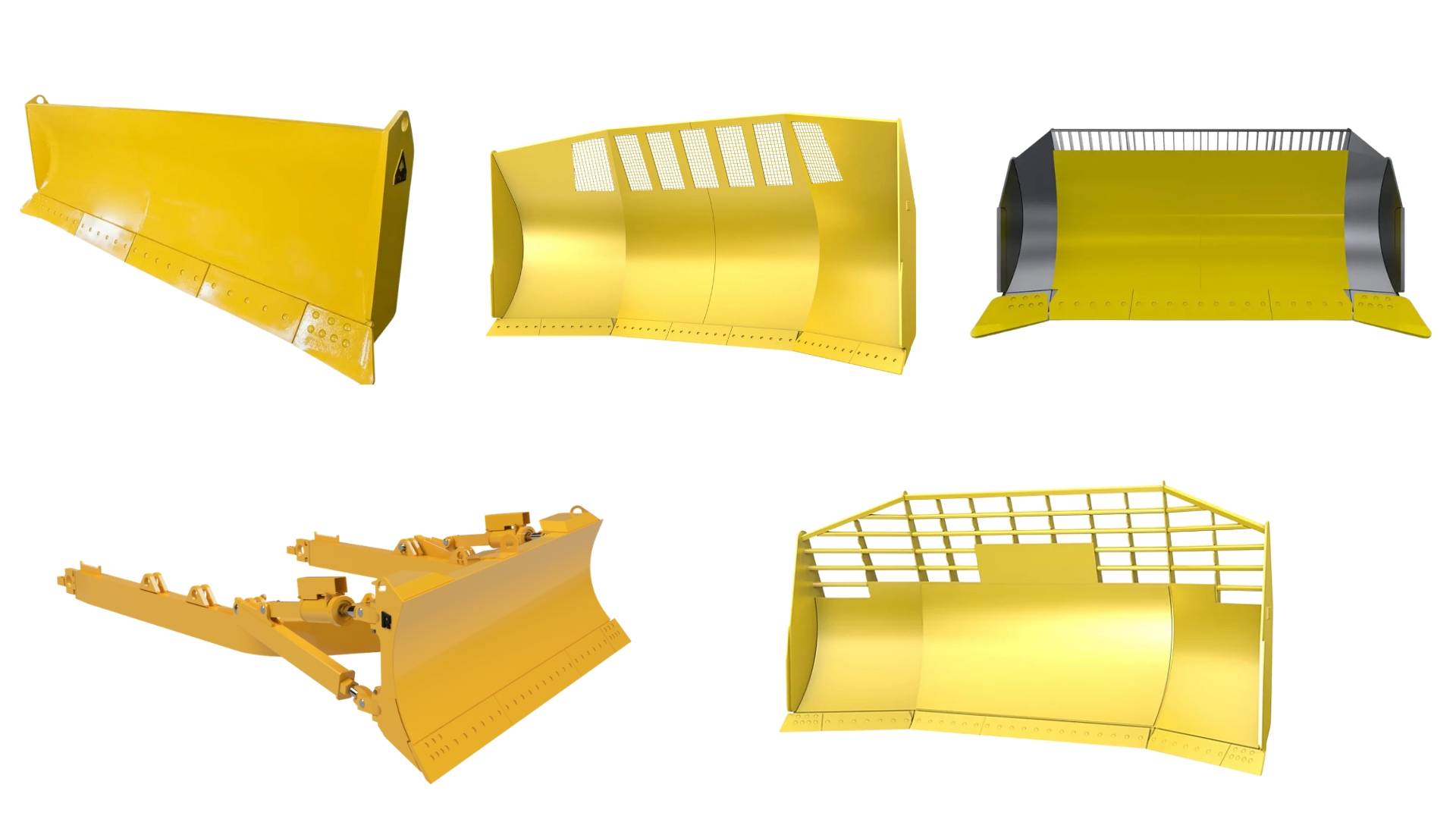
Different bulldozer blades for every job type
- Cut job time in half
- Reduce fuel burn
- Improve finish quality
- Protect undercarriage and tracks
That’s why choosing the correct blade isn’t optional—it’s a productivity decision.
Bulldozer Blades Explained (Simple Terms, Real Uses)
Before comparing types, let’s clear one thing up.
A bulldozer blade is not “one-size-fits-all.” Each design solves a specific job problem.
Think of blades like shoes:
- You wouldn’t wear sandals on a mountain
- You wouldn’t wear boots on a beach
Same logic applies here.
1. Straight Blade (S-Blade) – Precision and Control
Best for: Fine grading, shallow cuts, finish work
The Straight Blade, often called an S-blade, is short, flat, and has no side wings. This makes it perfect when control matters more than volume.
It’s commonly used in:
- Road base preparation
- Final grading
- Pipeline bedding
- Trenching support
Why contractors choose it:
- Excellent visibility
- Accurate blade control
- Clean surface finish
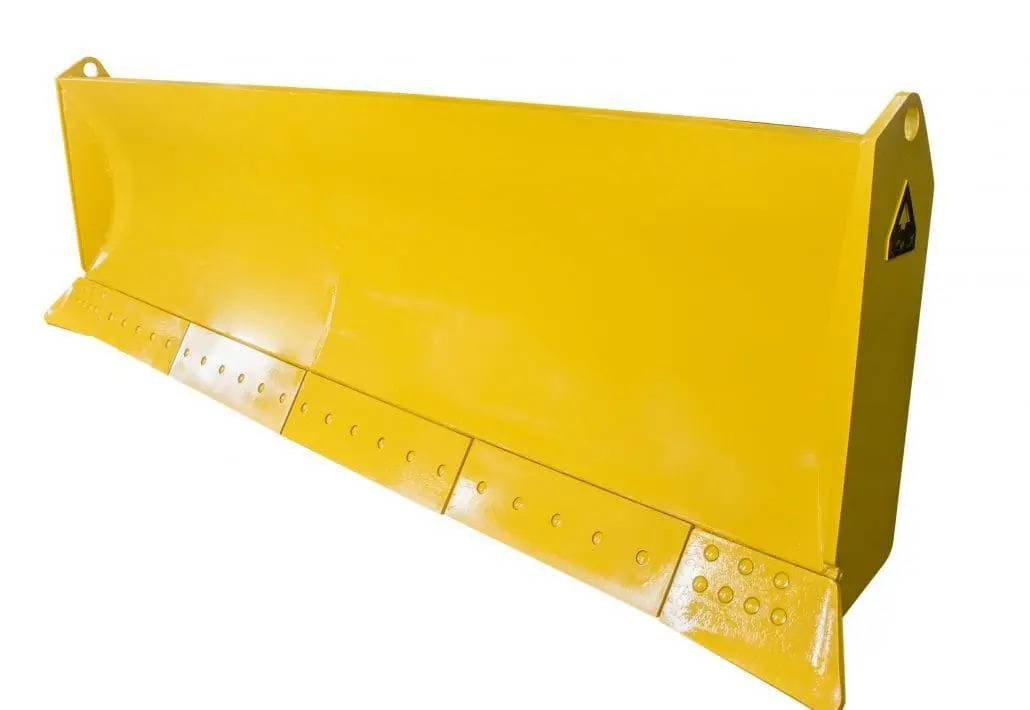
S-Blade – Ideal for precise finish grading
Limitation:
It doesn’t carry much material, so it’s not ideal for bulk pushing.
Many mid-size crawler bulldozers, including HBXG SD series models, are available with S-blade configurations for grading applications.
2. Universal Blade (U-Blade) – Maximum Material Movement
Best for: Bulk earthmoving, mining, land clearing
The U-blade is tall, wide, and deeply curved, with large side wings that trap material. This blade is built for volume, not finesse.
You’ll see it working in:
- Open mining sites
- Large-scale excavation
- Land reclamation projects
Key benefits:
- Carries more material per pass
- Reduces cycle time
- Improves fuel efficiency on long pushes
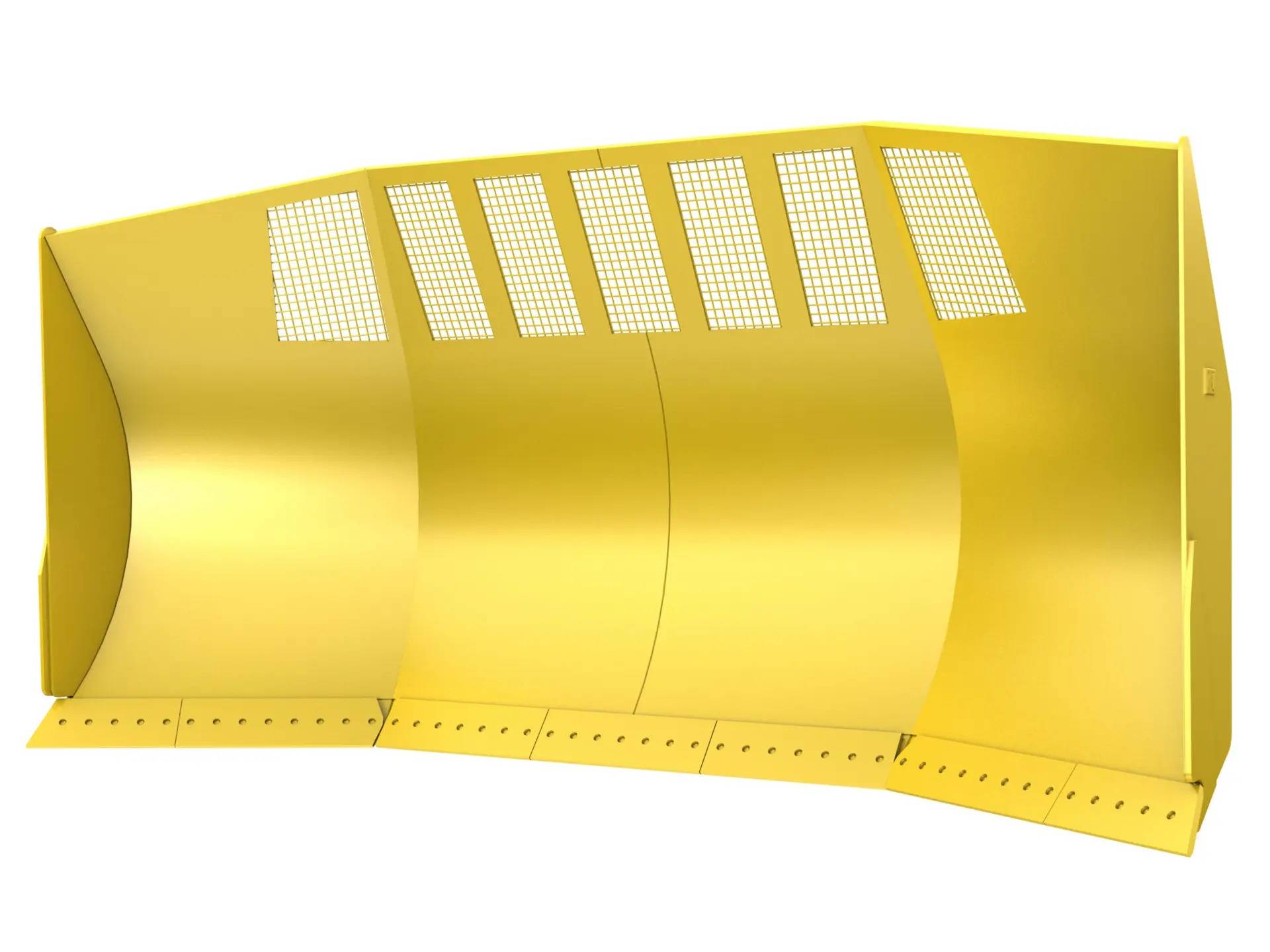
U-Blade – Built for high-volume material push
Trade-off:
Less precise on finish grading.
U-blades are commonly used on high-horsepower HBXG bulldozers for production work.
3. Semi-U Blade (SU-Blade) – Balanced Performance
Best for: Mixed job sites
The Semi-U blade sits between S and U blades. It has a moderate curve and smaller wings, offering both control and capacity.
This blade is popular because it’s flexible:
- Cuts better than a U-blade
- Carries more than an S-blade
Typical uses:
- Road construction
- General earthmoving
- Medium excavation projects
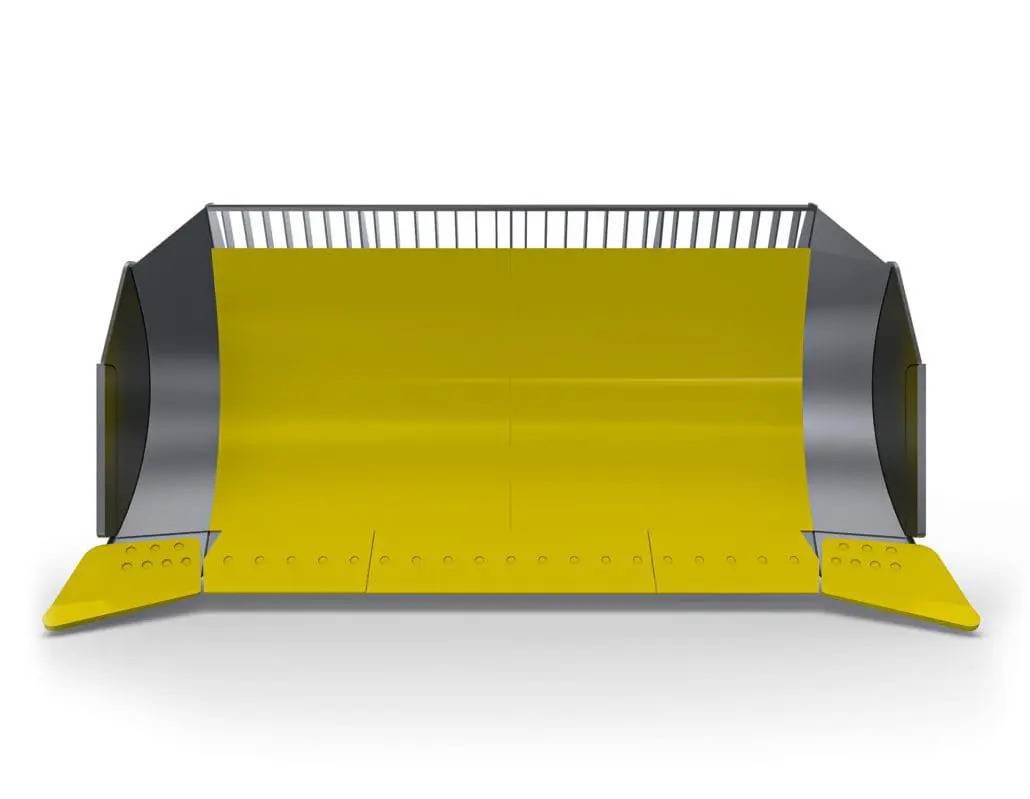
SU-Blade – Versatile balance of capacity & control
If your projects change often, this blade keeps you covered.
Talk to our equipment specialists about Chinese bulldozer blades, configurations, and export options.
WhatsApp Us for Free a Consultation
4. Angle Blade – Directional Pushing Made Easy
Best for: Side casting, slope work, snow clearing
An Angle blade can rotate left or right, allowing material to be pushed sideways instead of straight ahead.
This is especially useful for:
- Roadside ditching
- Snow removal
- Backfilling trenches
Advantages:
- Saves time on repositioning
- Improves directional control
- Reduces track wear
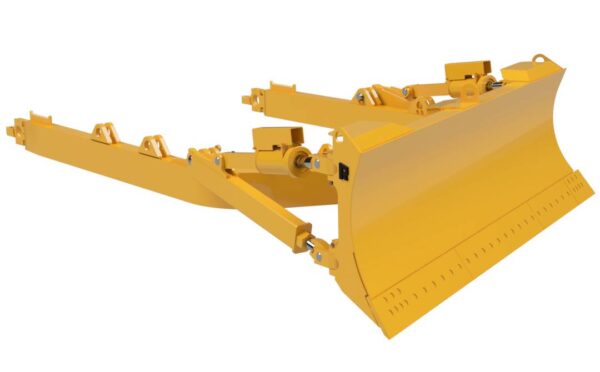
Angle Blade – Perfect for side-casting & ditching
Note:
Angle blades usually carry less material than U or SU blades.
5. Special Application Blades – Built for Tough Jobs
Some jobs need custom solutions. That’s where special bulldozer blades come in.
Examples include:
- Coal blades (extra wide, lightweight)
- Landfill blades (reinforced for waste handling)
- Rock blades (heavy-duty cutting edges)
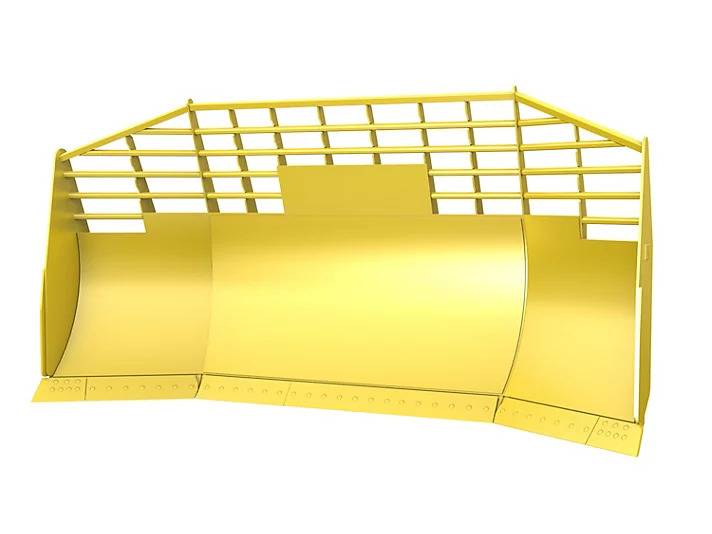
Special blades – Tailored for coal, rock, or landfill
These blades are designed around material type, not just volume..
Quick Comparison Table: Bulldozer Blades
| Blade Type | Material Capacity | Precision | Best Use |
| S-Blade | Low | High | Finish grading |
| U-Blade | Very High | Low | Bulk pushing |
| SU-Blade | Medium | Medium | Mixed jobs |
| Angle Blade | Medium | Medium | Side casting |
| Special Blades | Varies | Job-specific | Mining, landfill |
How to Choose the Right Bulldozer Blade
Choosing the right blade isn’t complicated if you answer a few questions honestly.
Ask Yourself:
- What material am I pushing? (soil, sand, rock, waste)
- Is finish quality important?
- How long are my push distances?
- Do I need versatility or specialization?
General Rule
- Precision work → S-blade
- High volume → U-blade
- Mixed tasks → SU-blade
- Side pushing → Angle blade
Bulldozer Blade Maintenance Tips (Often Ignored)
Even the best blade fails without care.
Basic tips:
- Inspect cutting edges weekly
- Replace worn edge segments early
- Keep blade pins and bushings greased
- Match blade size to machine class
A poorly maintained blade increases fuel use and stresses hydraulics.
See how different bulldozer blade configurations perform in soft terrain conditions:
So, What’s the Bottom Line?
The bulldozer itself is only half the equation.
The blade determines speed, efficiency, and finish quality.
Pick the wrong blade, and even a powerful dozer struggles.
Pick the right one, and every push works harder for you.
Need Help Selecting The Right Blade Configuration For Your Project?
Why choose HBXG:
✅ Quality-Certified Manufacturing: ISO Standards
✅ Custom Configuration: Customize for You
✅ Genuine Parts Guarantee: Quality and Longevity
✅ Full Documentation: Complete Compliance
✅ Ready Stock: Ready for Shipment